
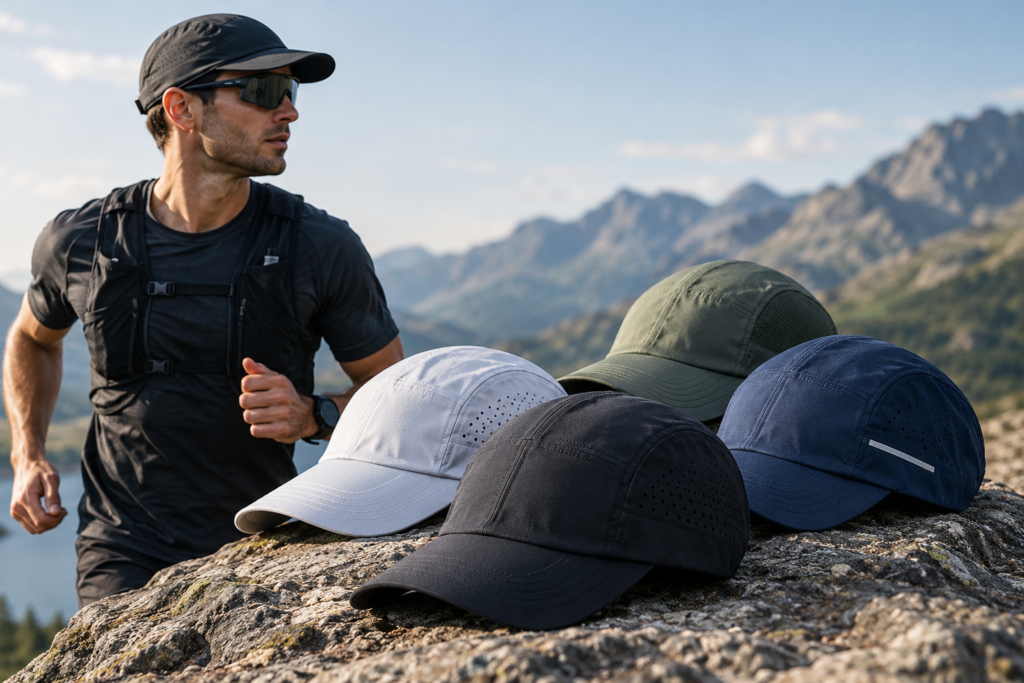
Running is about more than distance, speed, and personal bests. It is also about identity, motivation, teamwork, and the gear that helps runners feel prepared for every session. From early-morning training and weekend jogs to organised races and charity challenges, the right headwear can become a practical part of a runner’s kit.
Custom running caps bring together athletic functionality and personalised design. They allow running clubs, sports teams, fitness brands, event organisers, and businesses to create headwear that represents their identity while serving a practical purpose. With the right fabric, fit, colour scheme, and branding method, a custom running cap can become something people wear regularly rather than an item that stays in a cupboard after an event.
At Custom Baseball Caps UK, we understand that customised headwear needs to look right and suit its intended use. Whether you are developing branded merchandise, creating matching caps for a running club, or planning headwear for a sporting event, thoughtful design helps turn a simple cap into a distinctive product.
This guide explores how to choose, design, customise, and care for running caps, helping you make informed decisions before creating your next headwear collection.
What Are Custom Running Caps?
Custom running caps are athletic-style hats personalised with a logo, name, graphic, slogan, team identity, or other design elements. They are designed for people who want practical headwear with a distinctive appearance.
Unlike traditional fashion caps, performance-focused running caps are selected with movement, comfort, and outdoor use in mind. Their construction may include lightweight fabrics, breathable panels, moisture-managing sweatbands, adjustable closures, and visors designed to help shade the eyes.
The exact features depend on the style selected. Some runners prefer a traditional curved-brim cap, while others choose a lightweight five-panel design with a softer structure. The best option depends on the activity, the wearer’s preferences, and the environment in which the cap will be used.
Personalisation makes these caps even more versatile. A running club can display its name and emblem, a marathon organiser can create event merchandise, and an athletic clothing brand can develop a recognisable accessory for its customers.
The objective is to create headwear that balances three essential qualities:
- Functionality: Suitable construction and features for the intended activity.
- Comfort: A practical fit and fabric that feels appropriate during movement.
- Identity: A design that communicates a team, brand, event, or personal style.
When these elements work together, custom running caps can serve both practical and promotional purposes.
Why Are Custom Running Caps Popular?
Personalised running headwear appeals to a wide range of customers because it combines everyday usefulness with opportunities for branding.
1. Create a Stronger Running Club Identity
Running clubs often bring together people with different abilities, backgrounds, and goals. Matching headwear creates a shared visual identity without requiring every member to wear an identical outfit.
A club can feature its emblem on the front, its name on the side, or a short slogan near the rear closure. Members can wear their caps during group training sessions, races, club meet-ups, and social activities.
Consistent branding also makes group photographs look more coordinated. For clubs that regularly attend local events, distinctive caps can help other runners recognise their members.
2. Promote Your Business Through Useful Merchandise
Businesses frequently invest in branded clothing and accessories to improve brand visibility. A cap can be particularly useful because it is portable, reusable, and easy to incorporate into everyday outfits.
Fitness businesses, sports retailers, outdoor brands, and companies sponsoring running events can use custom caps as merchandise or promotional gifts.
The most effective promotional designs do not rely on oversized branding alone. A well-positioned logo, suitable colour combination, and comfortable cap can make the item more appealing to recipients.
When people choose to wear branded merchandise outside the original event, your design has the opportunity to reach a wider audience.
3. Support Charity Runs and Fundraising Events
Charity runs often bring participants together around a shared cause. Custom running caps can become a practical keepsake that reminds participants of the event and the purpose behind it.
A charity organiser might include the event name, year, charity logo, or a short message on the cap. Sponsor logos can also be incorporated where appropriate, provided the design remains readable.
For recurring events, a consistent cap design can help establish a recognisable visual identity. Alternatively, organisers can introduce a new colour or graphic each year to create a collectible series.
4. Develop Merchandise for Sports and Fitness Brands
Independent sportswear labels can use personalised running caps to expand their product ranges. Headwear provides another way to communicate a brand’s style without requiring a complete clothing collection.
A minimalist design may suit a premium running label, while brighter colours and bold graphics may work better for a youth-oriented fitness brand.
The key is consistency. Colours, typography, logo placement, and finishing details should complement the wider brand identity.
5. Encourage Team Participation
Matching caps can help create a sense of belonging among running groups, corporate wellness teams, university societies, and workplace fitness clubs.
They can also be included in participant packs or given to volunteers supporting organised races. Because caps are relatively easy to distribute across a group, they offer a convenient way to create a coordinated appearance.
What Makes a Good Performance Running Cap?
Not every baseball cap is designed for running. Traditional caps may prioritise structure, appearance, and everyday durability, whereas performance headwear usually places greater emphasis on weight, ventilation, and comfort during movement.
Before choosing a style for your custom order, consider the following features.
Lightweight Construction
A lightweight cap can feel less intrusive during long training sessions. It is particularly useful for runners who prefer minimal equipment or frequently train in warmer conditions.
Fabric weight is only one consideration, however. The peak, seams, sweatband, and closure also contribute to the overall feel of the finished cap.
If the caps are intended for distance running, ask about the weight and construction of the specific style rather than assuming every sports cap offers the same performance.
Breathable Fabric and Ventilation
Running generates body heat, so ventilation can influence comfort. Some running caps use lightweight woven fabrics, perforated sections, or mesh panels to encourage airflow.
The ideal construction depends on the expected conditions. A cap for summer road running may benefit from more ventilation, while one intended for cooler outdoor sessions might use a slightly more substantial fabric.
Remember that breathable construction does not guarantee that a cap will prevent overheating. Fit, weather, intensity, and individual comfort all matter.
Moisture Management
Sweat management is another important factor. Performance fabrics may be designed to move moisture away from the skin, while an internal sweatband can help manage perspiration around the forehead.
Quick-drying materials can be useful for runners who train frequently and want their headwear to dry between sessions.
When selecting caps, check the fabric and sweatband specifications rather than relying solely on terms such as “sports cap” or “performance hat.”
Comfortable, Secure Fit
A cap should sit securely without creating excessive pressure around the head. An uncomfortable fit can become more noticeable during long runs, when repeated movement and perspiration may increase irritation.
Adjustable straps, webbing closures, or other suitable fastening systems can help accommodate different head sizes.
For team orders, consider whether a one-size adjustable design is appropriate for your audience. If a more specific fit is required, review the available sizing options before finalising your order.
A Practical Peak or Visor
A curved peak can help shade the eyes and face from direct sunlight. The shape also contributes to the overall appearance of the cap.
Some running designs use a flexible peak that can be folded or packed more easily. Others have a more structured visor that maintains a defined shape.
Choose according to your intended use. A cap designed for everyday branded merchandise may have different construction priorities from one intended for lightweight race-day use.
Easy-Care Materials
Running caps can accumulate perspiration, dust, and outdoor dirt. A design that is straightforward to clean can be more practical for regular training.
Care requirements vary by fabric, decoration, and construction. Always follow the manufacturer’s cleaning instructions, particularly where embroidered logos, printed graphics, or specialised performance materials are involved.
Choosing the Right Material for Custom Running Caps
Material selection affects how a cap feels, looks, performs, and lasts. The right choice depends on whether you are prioritising athletic functionality, everyday wear, or promotional value.
Polyester Performance Fabric
Polyester is widely used in sportswear because it can be lightweight and quick-drying. Depending on the construction, polyester running caps may also include moisture-managing properties and ventilation features.
This material can be a practical option for running clubs, race merchandise, fitness brands, and outdoor activities.
If performance is your main priority, check whether the selected fabric has the specific features you need. Not every polyester cap is automatically moisture-wicking, highly breathable, or water-resistant.
Recycled Polyester
Some headwear options use recycled polyester. This may appeal to brands that want to incorporate recycled materials into their merchandise or communicate a more sustainability-focused product choice.
Before making environmental claims, verify the material composition and any relevant supplier documentation. Recycled content alone does not establish the full environmental impact of a product.
Cotton and Cotton Blends
Cotton is often associated with softness and familiar everyday comfort. Cotton-rich caps may suit casual club merchandise, lifestyle collections, and promotional products intended for use beyond running.
However, cotton can retain moisture more readily than many synthetic performance fabrics. For demanding runs or hot conditions, it may not be the first choice for every wearer.
Cotton-polyester blends can combine characteristics of both fibres, although the final result depends on the fabric proportions and construction.
Mesh and Ventilated Materials
Mesh sections can help increase airflow through parts of a cap. They may be used alongside a lightweight front panel or other performance fabrics.
Mesh is not necessarily the best choice for every running environment. The cap’s overall construction, fit, coverage, and intended use should guide the decision.
How to Select the Best Material
Start by identifying the main purpose of your order.
- For frequent training, prioritise lightweight construction, comfort, and moisture management.
- For summer events, investigate ventilation and suitable coverage.
- For lifestyle merchandise, balance appearance with everyday comfort.
- For promotional giveaways, consider practicality, durability, and the budget per item.
- For premium sportswear, pay attention to fabric quality, finishing, and consistency across the collection.
Selecting material before finalising the artwork helps ensure that the design and the cap work together.
Popular Styles of Custom Running Caps
The shape of a cap influences its appearance, branding area, and suitability for different activities.
1. Lightweight Technical Running Caps
Technical running caps are designed around active use. They may feature quick-drying fabrics, adjustable closures, lightweight peaks, and ventilation details.
They are worth considering for running clubs, marathon participants, fitness groups, and brands developing performance-oriented merchandise.
When comparing styles, look beyond appearance and check the actual product specifications.
2. Five-Panel Running Caps
Five-panel caps have a distinctive crown construction that can create a clean, contemporary look. Their front panel may offer a useful area for a logo or graphic, depending on the design.
They are popular with lifestyle and streetwear brands as well as some running-focused collections.
If you intend to use this style for intensive running, confirm that the fabric, fit, and construction suit your requirements.
3. Curved-Brim Sports Caps
Curved-brim caps offer a familiar athletic appearance and can help shade the eyes. They can be suitable for clubs that want headwear with a traditional sports aesthetic.
Some styles are designed primarily for casual use, while others use lighter fabrics and more performance-focused construction. The distinction matters when choosing headwear for running.
4. Adjustable Running Caps
Adjustable designs can make ordering for groups simpler because the closure allows some variation in fit.
They are especially useful when supplying clubs, event participants, volunteers, or promotional teams whose members may have different head sizes.
Check the adjustment range and fastening style to ensure the cap is suitable for your intended audience.
5. Branded Caps for Lifestyle and Running Collections
Some customers want one cap that works for training and everyday wear. In these cases, the design may use subtle branding, neutral colours, and a versatile shape.
This approach can be attractive for sportswear labels that want their merchandise to feel like a genuine retail product rather than a disposable giveaway.
How to Design Custom Running Caps for Your Brand
A strong design begins with a clear purpose. Before choosing colours or placing your logo, establish who will wear the caps and what you want them to communicate.
Step 1: Define Your Audience
Different audiences have different expectations.
A competitive running club may prioritise low weight and practical construction. A charity event may need a recognisable design that photographs well. A sportswear brand may focus on a premium finish and consistent visual identity.
Write down the main purpose of the cap and the features that matter most to the intended wearer.
Step 2: Choose Your Brand Colours
Colour is one of the easiest ways to make custom headwear recognisable.
You can match your existing brand palette or create a special colour combination for a race, seasonal collection, or club anniversary.
Consider the relationship between the cap fabric and the artwork. A light logo may stand out on a dark cap, while dark artwork can be more effective on a lighter background.
High contrast often improves readability, particularly for small lettering and simple symbols.
Step 3: Simplify the Logo
The front of a cap provides limited space, so complicated artwork may not reproduce clearly.
Review your logo before production. Very small lettering, fine lines, intricate gradients, and tightly packed details can be difficult to reproduce using certain decoration methods.
If necessary, create a simplified version for headwear. This could retain the main symbol, initials, or distinctive brand element while removing unnecessary detail.
A simplified logo is not a weaker identity. It can make the design more recognisable at a smaller size.
Step 4: Decide Where to Place the Branding
Logo placement changes the appearance of the finished cap.
Common options include:
- Front panel: A prominent position for a main logo or club emblem.
- Side panel: Suitable for smaller graphics, initials, or secondary branding.
- Rear section: Useful for a short name, website, or compact design.
- Peak: Can create a distinctive look, depending on the cap construction and decoration method.
Not every cap supports every placement. Seams, ventilation holes, panel shape, and the available decoration area can affect the final result.
Avoid adding too many separate elements. A clear main logo and one secondary detail will often look more balanced than branding across every available surface.
Step 5: Select a Suitable Customisation Method
The decoration method influences texture, appearance, durability, and cost.
Embroidery can provide a raised, textured finish. Printing may suit more detailed or multicoloured artwork. Patches can offer another way to create a distinctive branded surface.
The best method depends on the fabric, logo complexity, available space, and intended use.
Step 6: Review a Digital Mockup
Before production, review the proposed design carefully.
Check the logo size, spelling, colours, placement, and proportions. Look at the artwork against the chosen cap colour and consider whether the design will remain clear from a normal viewing distance.
A mockup helps you identify potential issues before the order moves forward. It is also a useful way to align decisions among club organisers, business owners, and other stakeholders.
Embroidery, Printing, or Patches: Which Is Best?
There is no single decoration method that works best for every running cap. The right choice depends on your artwork and the cap’s construction.
Custom Embroidered Running Caps
Embroidery uses thread to create the design directly on the cap. It can provide a professional, textured finish that suits club emblems, business logos, and simple brand graphics.
Embroidery works particularly well when the design has clear shapes and lettering that can be reproduced at an appropriate size.
However, very fine details may require adjustment. Dense stitching can also add weight or stiffness, which may be less suitable for certain lightweight performance caps.
Before choosing embroidery, confirm that the cap material and structure can support the intended design.
Printed Running Caps
Printing can be useful when artwork includes multiple colours, fine visual details, or effects that are difficult to reproduce through stitching.
The specific printing process matters. Different techniques have different requirements for fabric composition, colour reproduction, and surface preparation.
Ask which method is appropriate for your selected cap and whether the artwork needs to be adapted for the best result.
Running Caps With Custom Patches
A patch can give a cap a distinct finish and can be useful for logos that benefit from a defined border or separate background.
Embroidered, woven, and other patch styles each offer different visual characteristics. The choice should complement the cap material and the brand’s identity.
For performance use, consider the patch’s weight, attachment method, and flexibility. A bulky or stiff application may not be ideal for every lightweight running design.
How to Make the Right Choice
Compare the methods against five factors:
- Logo complexity.
- Cap material and structure.
- Desired appearance.
- Expected frequency of use and cleaning.
- Total production budget.
If you are unsure, ask for guidance based on the actual artwork and cap style rather than selecting a decoration method based on appearance alone.
Custom Running Caps for Clubs, Events, and Businesses
Personalised running caps can serve different purposes depending on the organisation ordering them.
Running Clubs and Athletics Teams
Clubs can use matching caps to create a consistent appearance during training, competitions, and social runs.
A useful design might include the club emblem on the front and a short name or founding year on the side. Keeping the artwork consistent with other club clothing can help establish a recognisable identity.
Marathons and Community Races
Event organisers can use caps as participant merchandise, volunteer clothing, or sponsor-branded items.
A design can feature the race name, year, event colours, and a limited number of sponsor marks. Ensure that any additional branding remains readable without overwhelming the main identity.
Ordering early also gives organisers more time to approve artwork and coordinate merchandise with other event materials.
Charity and Fundraising Campaigns
Charity running events often use merchandise to connect participants with a cause. A distinctive cap can act as a keepsake and provide a visible reminder of the campaign.
Consider using a clear charity logo, event-specific colours, and a short message that communicates the purpose of the activity.
Corporate Fitness Programmes
Businesses can create running caps for employee wellness programmes, company-sponsored races, and organised fitness challenges.
The design can reflect company branding while maintaining a sporty appearance. A smaller logo may be more versatile for employees who want to wear the cap outside work-related activities.
Sportswear Brands and Retailers
Retailers and independent labels can use custom caps to complement their wider clothing collections.
Consistency in colour, finishing, labelling, and packaging can help the cap fit naturally into the brand’s product range. If you plan to reorder, keep approved artwork and production specifications organised so future batches can maintain a consistent appearance.
How to Plan a Bulk Order of Custom Running Caps
Bulk ordering can simplify the supply of headwear for teams, events, and businesses. However, a successful order requires more than selecting a quantity.
Establish the Quantity
Estimate how many caps you need and allow for the different groups involved. A running event, for example, may require separate quantities for participants, volunteers, organisers, and sponsors.
It is also worth considering whether you need additional stock for late registrations or replacement items.
Set a Realistic Budget
The final cost can depend on the cap style, fabric, quantity, decoration method, number of branding locations, and packaging requirements.
Request a quote that explains what is included. Confirm any setup charges, artwork costs, delivery charges, taxes, and applicable minimum quantities before approving the order.
A lower price per cap is not automatically the best value if the selected material or decoration does not suit your needs.
Prepare Your Artwork
Provide a clear logo file wherever possible. A high-resolution image or suitable vector file can help the production team prepare the design.
If you only have a basic image, ask whether it can be adapted for your chosen decoration method. Do not assume that every logo can be reproduced exactly as supplied, especially when the design includes very small text or fine detail.
Confirm the Production Timeline
Ask about artwork approval, production time, quality checks, dispatch, and estimated delivery.
For a race or event, work backwards from the date the caps must be available. Include a buffer for design revisions or unexpected delays rather than scheduling delivery for the last possible day.
Approve the Final Design
Before production begins, make sure the authorised person has checked the final mockup and agreed to the specifications.
Pay particular attention to spelling, logo dimensions, colour selection, placement, and quantity. Clear approval helps reduce misunderstandings and makes the production process easier to manage.
Common Mistakes to Avoid When Designing Running Caps
Even a good concept can produce a disappointing result if important details are overlooked.
Choosing Appearance Over Comfort
A cap may look attractive but be unsuitable for active use. If the intended audience will run in it regularly, prioritise the fabric, weight, fit, and ventilation alongside the design.
Making the Logo Too Complicated
Small caps do not provide the same artwork space as large garments. Excessive detail can make a logo difficult to read.
Simplify the design where necessary and confirm that the chosen decoration method can reproduce it clearly.
Using Poor Colour Contrast
A logo that blends into the fabric can lose its impact. Check how the artwork looks against the cap colour and make adjustments before approving the design.
Ignoring Placement Limitations
Panel seams, curved surfaces, and ventilation sections can affect where artwork can be applied. Confirm the usable decoration area before settling on the final layout.
Leaving Ordering Until the Last Minute
Artwork revisions, production, and delivery all take time. Starting early gives you more flexibility to resolve issues and receive the caps before the event.
Failing to Check Care Instructions
Decorated performance headwear may require specific cleaning methods. Make sure the intended users understand how to care for the caps so that the fabric and branding remain in good condition.
How to Care for Custom Running Caps
Regular care can help maintain the appearance of your running caps and their personalised details.
First, check the care label or supplier’s instructions. Different fabrics, peaks, closures, and decoration methods may have different cleaning requirements.
For routine cleaning:
- Remove loose dirt with a soft brush or cloth.
- Spot-clean marks using a suitable mild cleaning solution.
- Avoid harsh chemicals or abrasive scrubbing that may affect the fabric or decoration.
- Do not use a washing machine or tumble dryer unless the manufacturer confirms that the cap is suitable.
- Allow the cap to air-dry thoroughly before storing it.
- Keep it away from excessive heat that could distort the peak or affect the decoration.
If the cap has embroidery or a patch, avoid pulling at loose threads or aggressively rubbing the design. Proper care is particularly important when caps are used frequently during outdoor training.
Are Custom Running Caps Worth the Investment?
The value of custom running caps depends on how they will be used and how well they meet the needs of the wearer.
For running clubs, they can create a shared identity and help members feel connected. For event organisers, they provide practical merchandise that participants can use after the event. For businesses and sportswear brands, they offer an additional way to communicate a visual identity through a wearable product.
Their value increases when the design is useful enough to encourage repeat wear.
A cap that fits comfortably, suits its intended activity, and carries clear branding has a better chance of becoming part of someone’s regular wardrobe. In contrast, a poorly fitting cap or an overly complicated design may have limited appeal regardless of how attractive it looks in a mockup.
The best approach is to start with the user’s needs, select suitable construction, and then create a design that reflects your organisation or brand.
Why Choose CustomBaseballCaps.uk for Your Custom Headwear?
At CustomBaseballCaps.uk, the goal is to help customers develop headwear that reflects their ideas, branding, and intended use.
Whether you are planning caps for a running club, preparing merchandise for an event, or exploring branded headwear for a business, start by identifying the style, quantity, and customisation requirements that matter most.
A clear brief makes it easier to discuss suitable options and understand the production requirements. Include your logo, preferred colours, approximate quantity, intended use, and any deadline when making an enquiry.
Before placing an order, confirm the available cap styles, fabric specifications, decoration options, minimum quantities, pricing, and delivery schedule. These details will help you select a product that meets your expectations.
The aim is not simply to put a logo on a hat. It is to create headwear that feels appropriate for its audience and represents your identity consistently.
Final Thoughts
Custom running caps combine practical headwear with the opportunity to create a distinctive identity for running clubs, sports teams, charities, event organisers, and businesses.
Choosing the right cap involves more than selecting a colour and adding a logo. Material, ventilation, fit, peak construction, decoration method, and care requirements all contribute to the finished product.
Start with the intended use, choose a style that suits the wearer, and keep the artwork clear and balanced. Review a mockup, confirm the production details, and allow enough time for manufacturing and delivery.
Frequently Asked Questions About Custom Running Caps
1. What are custom running caps?
Custom running caps are athletic-style caps personalised with a logo, text, graphic, club name, or other branding. Depending on the selected style, they may feature lightweight fabrics, ventilation, moisture-managing sweatbands, and adjustable closures.
2. Which material is best for running caps?
Lightweight polyester and suitable technical fabric blends are common choices for performance-oriented headwear. The best option depends on breathability, moisture management, weather conditions, fit, and the intended frequency of use.
3. Can I add my company or running club logo?
Yes, custom headwear can be designed around a company logo, running club emblem, event identity, or other artwork. Available placement and decoration methods depend on the selected cap style.
4. Is embroidery suitable for running caps?
Embroidery can provide a professional, textured finish for logos and simple graphics. However, very fine details and dense stitching may not suit every lightweight cap, so the artwork and fabric should be reviewed before production.
5. Are custom running caps suitable for charity events?
Yes. They can be used as participant merchandise, volunteer headwear, sponsor-branded items, or keepsakes. An event name, charity logo, year, or short message can help make the design distinctive.
6. Can I order running caps in bulk?
Bulk orders can be suitable for running clubs, businesses, sporting events, and retailers. The available quantities, pricing, minimum order requirements, and production timeline should be confirmed with the supplier before ordering.
7. How do I prepare my logo for custom cap production?
Provide a clear, high-quality logo file and confirm the required colours and dimensions. Depending on the artwork and decoration method, the design may need to be simplified or adapted to ensure that small details remain readable.
8. How should I clean personalised running caps?
Follow the manufacturer’s care instructions. Spot-cleaning with a suitable mild solution and air-drying are often practical approaches, but the correct method depends on the fabric, peak construction, and decoration.
9. Can running caps be used as promotional merchandise?
Yes. Branded running caps can be used for corporate fitness programmes, sponsored races, charity campaigns, giveaways, and sportswear merchandise. A comfortable design can encourage people to continue wearing the cap after the event.
10. What should I consider before placing an order?
Consider the intended use, cap style, fabric, quantity, logo placement, decoration method, budget, artwork approval, and delivery deadline. Confirming these details in advance helps ensure that the finished caps meet your requirements.